Sustainable MEP Design for Peckham House Self-Build Home - PDA

Sustainable MEP Design for Peckham House Self-Build Home

Challenge

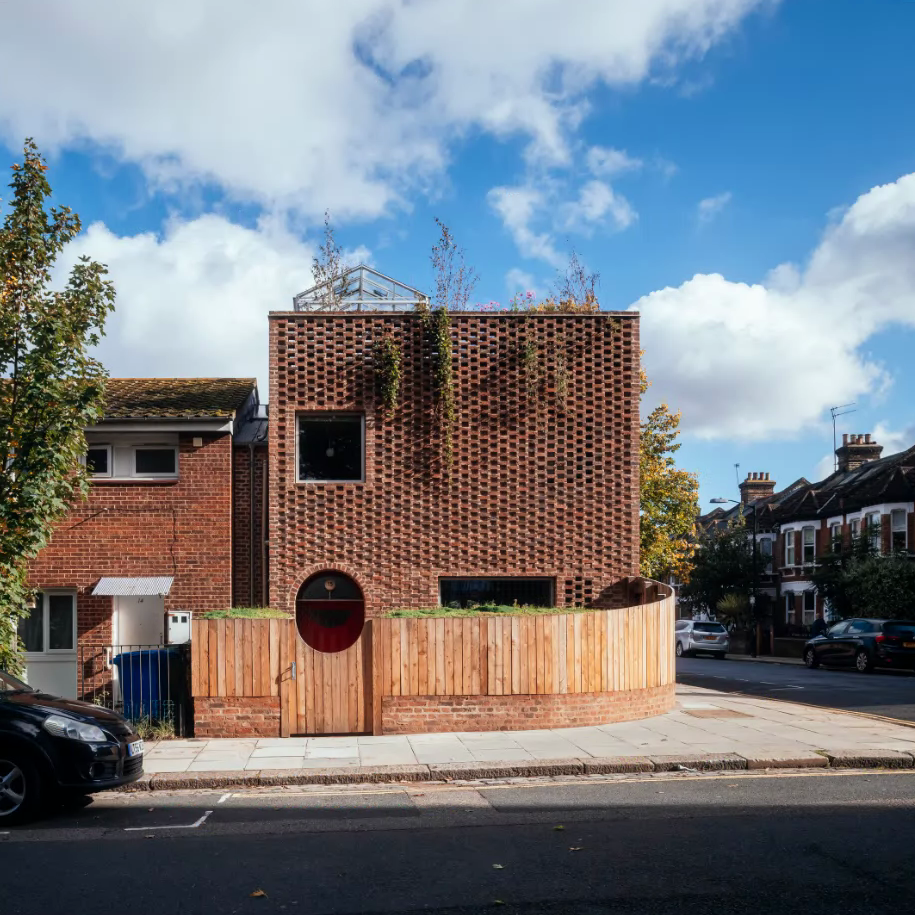
The core challenge of the Peckham House project was integrating high-performance mechanical, electrical, and plumbing (MEP) systems into a uniquely crafted self-build structure. This was not a standard residential scheme but a deeply bespoke, detail-driven urban home in a dense London setting. The architectural design required significant on-site coordination, and the build quality expectations were exceptionally high. Space was limited both internally and externally, which placed considerable strain on system integration and plant positioning. In addition, because the project was owner-led, there was a heightened need for flexibility during construction, often requiring real-time updates to CAD drawings and service modelling.

Overview

PDA was engaged to provide MEP design and engineering consultation focused on achieving reduced energy usage, enhanced thermal comfort, and long-term low-carbon operation. The goal was to demonstrate how engineering-led thinking could transform a typical residential build into a near net-zero, highly comfortable urban dwelling. The brief included specification and coordination of mechanical ventilation with heat recovery (MVHR), ultra-efficient heating systems, and intelligent control integration. Attention to airtightness, system zoning, and whole-house environmental performance was critical, requiring close collaboration with the architect and contractor at each phase.

Solution

PDA employed a low-energy system strategy that included the design and installation of a highly efficient MVHR system, an air source heat pump (ASHP), and a meticulously sealed building envelope to minimise heat loss. Dynamic thermal modelling helped optimise equipment sizing and layout. Services were routed through carefully planned voids to preserve interior aesthetics while maintaining future access. Emphasis was placed on minimising system noise and ensuring seamless occupant control.

Benefits

The completed home exceeded the LETI energy benchmark and achieved an 80% improvement over current building regulations in terms of energy usage. Airtightness and ventilation strategies significantly improved indoor air quality and thermal stability. For similar urban self-build projects, we recommend early-stage engineering input, whole-house system thinking, and use of ASHP and MVHR as baseline technologies. Lessons from this case also translate well to the modular housing and low-carbon retrofit sectors.

Client Feedback

The client praised the collaborative approach and the building’s outstanding thermal performance. PDA successfully delivered an integrated low-energy solution that will provide cost and carbon savings for years to come. The result is a comfortable, quiet, sustainable home that stands as a model for future self-build housing.

We would love to talk about your amazing ideas

Reach out to us today and discover how we can help you achieve your goals. Our team is here to provide personalized assistance and solutions tailored to your specific needs. Get in touch now to begin your journey with us.

    Contact Info

    Mon - Fri : 9:00 -17:30
    +44 (0)20 3232 0080
    post@pd-a.co.uk

    Office Address

    405 Nether Street , London, N31QG